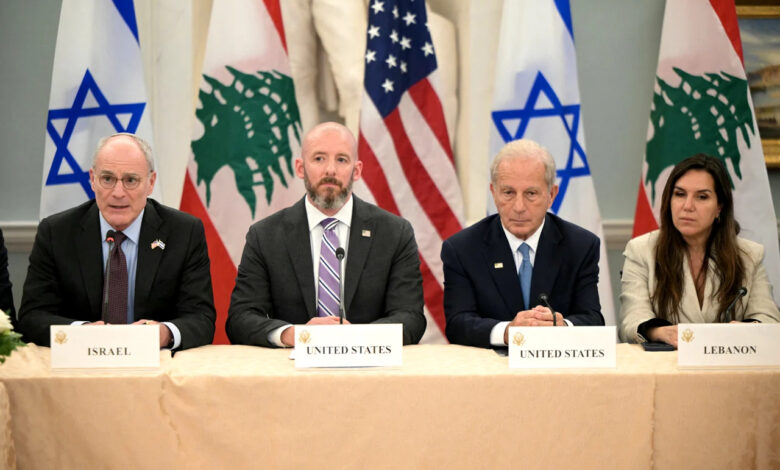
Israel and Lebanon reached another ceasefire agreement on Wednesday meant to end years of conflict and potentially reach a broader peace deal between the two countries that have never had diplomatic relations.
But it’s the third time they have agreed to a ceasefire, including in November 2024 and just two months ago. So far, this agreement looks much the same: a ceasefire under fire.
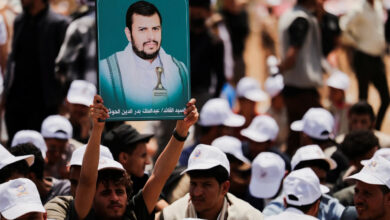
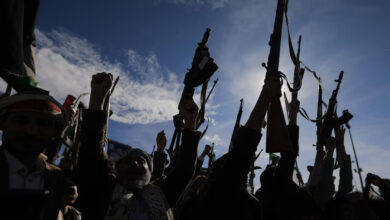
Already, Israel and Hezbollah have traded fire since the agreement on Wednesday evening under the auspices of the Trump administration. The ceasefire requires Hezbollah to withdraw its forces from south of the Litani River, just like the agreement nearly two years ago. And it calls for the “dismantlement of its infrastructure throughout Lebanon,” a condition to which the Iranian proxy would never agree.
That’s part of the problem. The agreement is between Israel and the Lebanese government. The conflict itself is between Israel and Hezbollah.
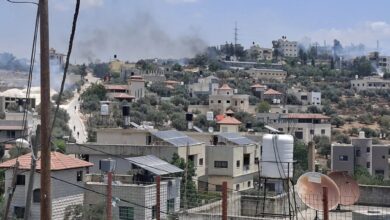
The new agreement does not call on Israel to withdraw its forces from southern Lebanon, even as Israel has seized a growing swath of territory since the last ceasefire agreement signed in April. That Israeli occupation of Lebanese territory is part of the justification Hezbollah uses to carry out its drone and rocket attacks.
The agreement also calls for the Lebanese military to take control of “pilot zones” that are clear of Hezbollah, but there’s no timeline for the creation of these zones, and that leaves progress on concrete steps of the ceasefire in diplomatic limbo without any timelines.
Diplomats from Israel and Lebanon are set to meet again in three weeks, marking the fifth such meeting.