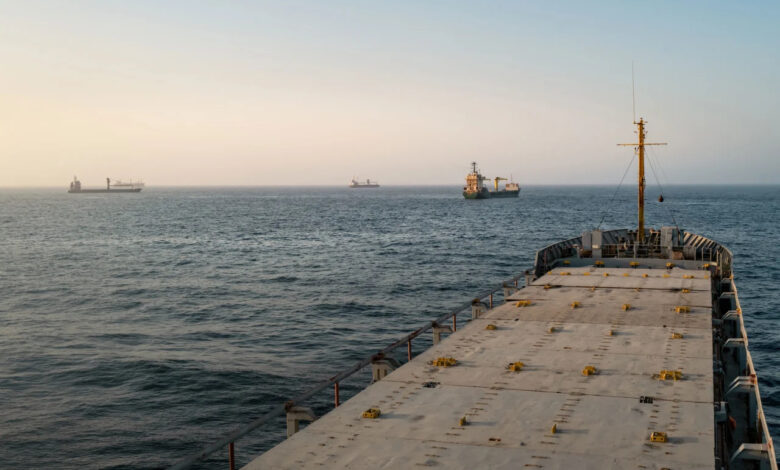
Oil futures rose slightly Sunday as US-Iran hostilities continued for a fourth consecutive day and with Iran insisting on control of the Strait of Hormuz.
Brent crude, the international benchmark, rose 0.9 percent to $72.20 a barrel, and US crude climbed 1.3 percent, to $70.09 a barrel. On Friday, oil prices reached their lowest levels since the war began, with Brent settling at about $72 and US crude closing around $69.
Oil prices saw declines last week on hopes the 60-day ceasefire would restore oil flows through the strait, which accounts for one-fifth of the world supply flow. Oil tanker traffic increased following the signing of the agreement on June 17, with the US and Iran stating that the strait would reopen without fees.
But spikes in traffic have slowed after Iran struck a vessel in the strait on Thursday and the United Nations paused plans to evacuate stranded seafarers and vessels.
US and Iranian forces have since targeted each other and traded strikes, prompting some vessels to use a route that hugs the Omani coast.
Lower oil prices depend on more than restoring trade flows. Damaged energy infrastructure needs to be repaired, and it will take months to fully get tankers sailing through the strait. Experts have warned that oil prices may not reach pre-war levels in 2026.
Oil prices remain well below the four-year high in April of about $126 a barrel, which has eased the burden on American consumers. The average national price of regular gas fell to $3.87 a gallon on Sunday, according to AAA.. That’s down almost 13 percent from a month ago.
Stock futures, meanwhile, were little changed.