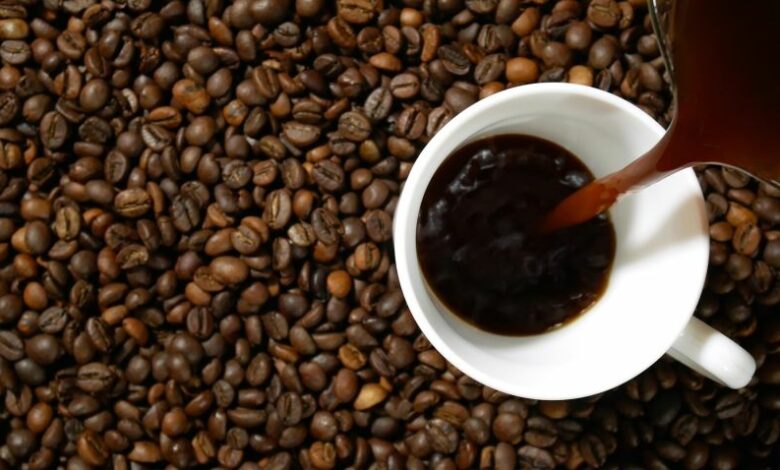
The Head of the Coffee Division at the Cairo Chamber of Commerce, Mostafa Al-Sheik, issued a shocking warning regarding the widespread circulation of counterfeit coffee across Egypt, estimating that adulterated products now make up roughly 80 percent of the domestic market.
Speaking in a televised interview, Al-Sheik revealed that 70 percent of cafes—including high-end establishments—are serving substandard, non-compliant coffee to customers to maximize profit margins.
He explained that these fraudulent operations substitute genuine coffee beans with cheap fillers.
Alarmingly, Al-Sheik noted that several cases of food poisoning and severe diarrhea have already been linked to these tainted beverages, prompting him to call for aggressive regulatory clampdowns and the immediate closure of illicit, unregulated backyard factories.
These warnings coincide with a recent raid on an unlicensed facility in the Faiyoum Governorate.
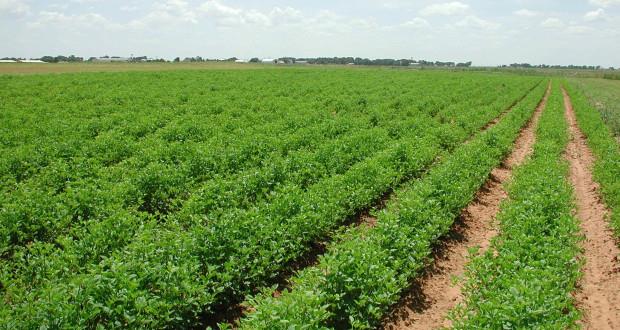
Authorities seized nearly two tons of date pits and peas, which were roasted, finely ground, and blended with trace amounts of actual coffee and dark chocolate.
The mixture was then packaged under counterfeit brand labels and distributed to the market.
The raid marks the first official confirmation of public anxieties regarding the use of date pits and peas as coffee fillers—a practice that spiked alongside rising prices.
For months, consumers had taken to social media to voice concerns over noticeable changes in the taste, appearance, and aroma of their daily brew.
A crisis driven by soaring global costs and exploding demand
This crisis unfolded against the backdrop of a punishing price surge in the coffee market.
Despite a drop in import volumes, the value of Egypt’s coffee imports during the first quarter of 2026 jumped to $89 million, directly reflecting a massive spike in global commodity prices.
At the same time, domestic coffee consumption has skyrocketed in recent years.
Egyptians now consume roughly 80,000 tons of coffee annually, compared to just 6,000 tons in 2004—a surge fueled by a booming specialty cafe culture and the massive popularity of modern coffee beverages.