A proposal to charge vessels for services in the Strait of Hormuz, which previously drew little interest from Iran, may yet offer a way to break the deadlock and revive peace negotiations.
Despite an impasse in negotiations between Iran and the United States, Iran’s Foreign Ministry spokesperson, Esmaeil Baghaei, said Iran is engaged in “constructive” talks with Oman on the strait that are unrelated to the US.
How would it work, and who would be charged?
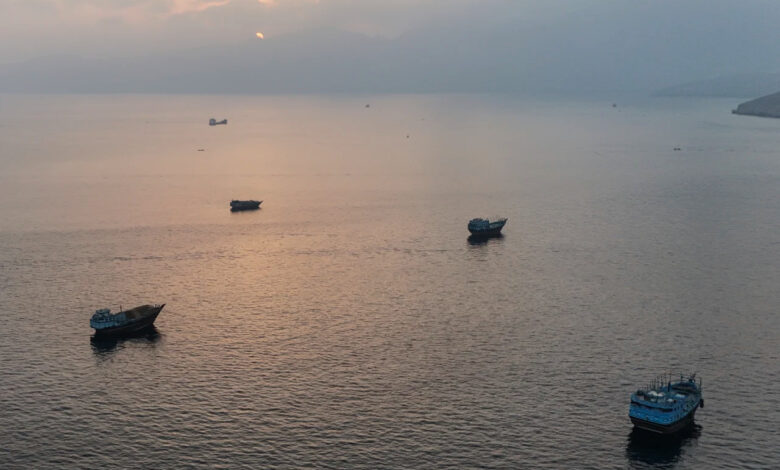
Since the war, Iran has sought to charge ships for safe passage through the critical waterway, arguing that the strait lies within Iranian and Omani territorial waters. Before the war, about 20% of global oil and liquefied natural gas were passed through it.
Oman has resisted the imposition of transit fees, upholding the position that international law already protects the right to safe transit passage through straits used for international navigation, rendering any form of toll arbitrary.
However, Oman has for weeks been touting a compromise that may offer a way to address Iran’s position while remaining consistent with international maritime law.
A proposal, if made, is likely to be modeled on the funding mechanism actioned on the Strait of Malacca – the waterway connecting the Indian Ocean with the Pacific Ocean and bordered by Malaysia, Indonesia and Singapore.
The vital transit passage exercises a non-mandatory, voluntary-contribution system whereby financial donations support with navigation costs, environmental protection and search-and-rescue operations, remaining in line with international maritime law.
If Iran and Oman agree to pursue a voluntary framework, shipping companies and governments will be among those expected to make payments to help cover the cost of a well-maintained, functioning shipping lane that facilitates safe passage for all.
The US previously expressed concern about a fee-based system emerging in the strait, as transit through international waterways is protected by United Nations conventions.
CNN’s Hanna Ziady, Zachary Cohen, Aileen Graef and Nic Robertson contributed reporting.