Egyptian TV host Amr Adib warned of the repercussions that a sharp rise in oil prices—with the price per barrel exceeding US$104—could have on fuel prices in Egypt.
He questioned how the government would handle such high levels, given that it had previously based its calculations on a price of $75 per barrel.
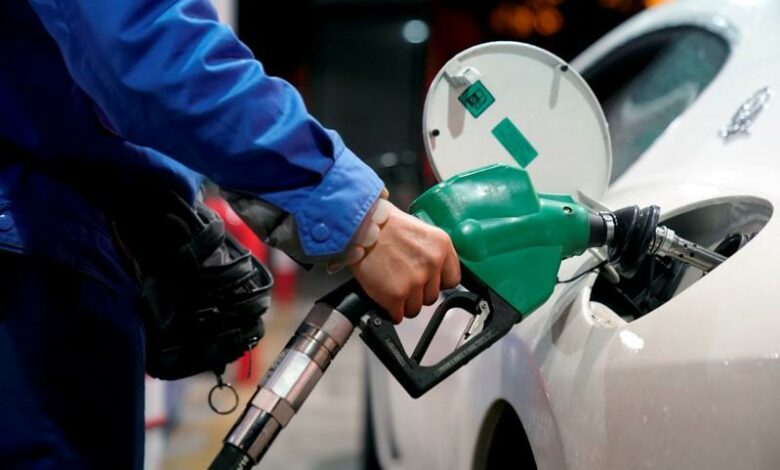
Speaking on his MBC Masr show “Al-Hekaya” (The Story) on Friday evening, Adib noted that oil surpassing $104 per barrel represents a significant development for energy markets, particularly as diesel prices in the US have surged to six dollars per gallon.
“Oil is over $104 a barrel, and diesel has jumped to six dollars a gallon in the US; this is a crucial matter we need to focus on. The world is truly at a historic turning point—I am not trying to scare you,” he stressed.
Adib questioned how this rise would impact fuel prices in Egypt, asking, “There is an issue with oil prices—what will happen, and what should we do? The government had factored in a price of $75 per barrel; so, what do we do now?”
He noted that the rise in global crude oil prices introduces new variables regarding fuel pricing in Egypt, explaining that sustained high prices could have repercussions for the domestic market.
Crisis at the Red Sea
Adib linked the oil crisis to developments in the Red Sea, explaining that the Huthi group’s control over the Bab al-Mandab Strait is impacting the movement of ships passing through the Suez Canal—an additional factor in Egypt’s economic landscape.
He said that, in his assessment, the Huthis are acting to support Iran amidst the war and pressures the latter is facing, noting that ongoing regional tensions make it increasingly difficult to predict the trajectory of oil prices in the near term.
Adib emphasized that no one can determine when the current situation will end, pointing out that its repercussions extend beyond Egypt to countries worldwide, given the interconnectedness of energy markets with trade flows and maritime corridor stability.
He further stressed that oil prices surpassing the $104 mark necessitates close monitoring of the potential impact on fuel prices in Egypt—particularly given the gap between the current global price and the $75 level that the government had factored into its calculations.