The US and Iran have signed a memorandum of understanding on Thursday to end the war.
The American news website Axios reported that US President Donald Trump signed the memorandum digitally during his visit to the Palace of Versailles in France.
The agreement paves the way for ending the military standoff between the two sides and opening a new negotiating track regarding the Iranian nuclear program.
This includes broad economic and security arrangements, such as reopening the Strait of Hormuz and a development plan for Iran worth at least US$300 billion.
According to the text of the memorandum, which a senior US official announced during a briefing to journalists would be signed in Pakistan’s capital of Islamabad, both parties pledge to immediately and permanently end military operations on all fronts.
Both parties pledged to refrain from the use of force or the threat of its use in the future, and commit to respecting each other’s sovereignty, territorial integrity, and non-interference in internal affairs.
The memorandum stipulates the commencement of negotiations to reach a final agreement within a maximum period of 60 days, extendable by mutual consent.
These talks will encompass nuclear, security, and economic issues between both countries.
Naval blockade lifted
On the maritime front, the US committed to begin lifting the naval blockade imposed on Iran immediately upon the signing of the agreement and completing its removal within 30 days.
It also pledged to withdraw its forces from the vicinity of Iran within 30 days of the final agreement’s conclusion.
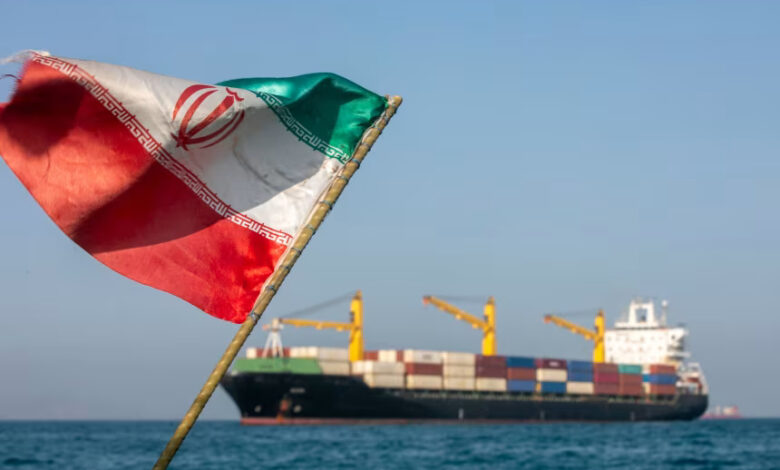
Tehran in turn pledged to guarantee the safe and free passage of commercial vessels between the Gulf and the Gulf of Oman for 60 days, with navigation resuming immediately.
It would further work to remove mines and other technical and military obstacles to restore traffic to its previous levels within one month.
Iran will also hold consultations with the Sultanate of Oman and other Gulf states regarding the future management and maritime services in the Strait of Hormuz.
The memorandum includes a prominent economic provision stipulating the preparation of a plan for the reconstruction and economic development of Iran, valued at no less than $300 billion, in cooperation with regional partners, along with granting the necessary licenses and exemptions for financial transactions related to this plan.
The document also stipulates America’s commitment to ending sanctions imposed on Iran – including primary and secondary US sanctions, UN Security Council resolutions, and resolutions of the Board of Governors of the International Atomic Energy Agency – following a timetable to be agreed upon during the negotiations for a final agreement.
Nuclear issue
Iran has reaffirmed its commitment not to acquire or develop nuclear weapons.
Both sides agreed to address the issue of enriched materials and the mechanisms for handling them through arrangements to be agreed upon later, while maintaining the status quo of the Iranian nuclear program during the transitional period.
During the negotiation period, the US is committed to refraining from imposing new sanctions or increasing its military presence in the region.
The US Treasury Department will issue waivers allowing the resumption of Iranian crude oil exports, petrochemical products, and related services, including banking, insurance, and transportation.
The memorandum also stipulates the gradual release of frozen or restricted Iranian funds and assets, making them available for use according to mechanisms to be agreed upon by both sides.
It further outlines the establishment of a joint implementation mechanism to monitor the implementation of the memorandum’s provisions and oversee adherence to any future final agreement.
The document concluded by affirming that the final agreement to be reached during the upcoming negotiations will be adopted through a binding resolution, thus granting it legal force and ensuring the fulfillment of both parties’ obligations.