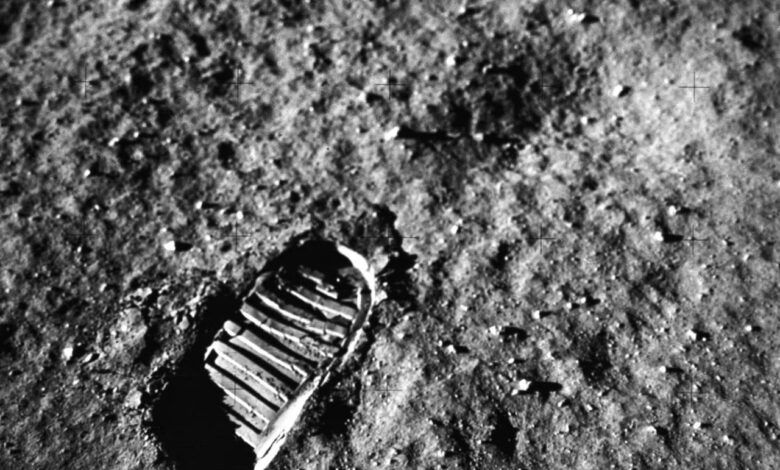
Artemis II will only fly by the moon rather than land, but it will still mark the first time humans travel to the vicinity of the moon since Apollo 17. The commander of that mission, Gene Cernan, was the last person to walk on the moon, and he had some poignant closing words for that mission, on December 14, 1972: “We leave as we came, and, God willing, we shall return, with peace and hope for all mankind.”
But why has it taken so long for astronauts to go back to the moon?
There have been other initiatives to send humans to the moon again after Apollo, Muir-Harmony added: “But what’s happened is that as presidential administrations changed, space priorities for these large scale programs also changed. And so we just haven’t seen the sustained political will to follow through with a program that will take many years, significant funding, and lots of resources in general.”
Les Johnson, a former NASA Chief Technologist who has worked at the agency for over three decades, agrees that rapidly changing political objectives have been a key factor: “Every four to eight years, NASA has its human spaceflight goals and objectives completely, totally, radically altered,” he said.
According to Brian Odom, NASA’s Chief Historian, a decisive push towards revamping moon plans has come from the rise of a commercial space industry: “NASA is now a customer to a private industry where we have SpaceX, Boeing, Blue Origin. That’s an enabling factor that’s helped us,” he said. “Commercial commitments, international commitments, and now the government — all three working together, is what’s really enabled us to get to this point.”
However, Odom added, going back to the moon has never truly been erased from the conversation: