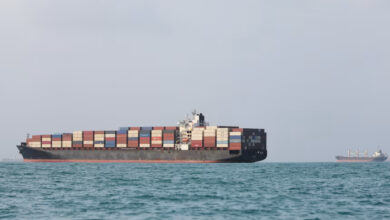
President Donald Trump appears to be relying on the US blockade of Iran’s ports to pressure Tehran to cave to his demands, said Ali Vaez, Iran Project Director at the International Crisis Group think tank.
But in the past, he cautioned, Trump’s applying of economic or military pressure on Tehran has “rendered Iran’s position harder rather than softer.”
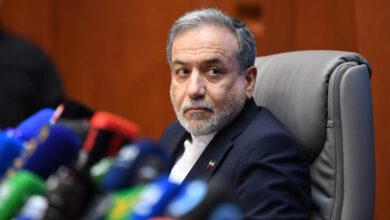
Vaez discussed Iranian Foreign Minister Abbas Araghchi’s meeting with Russian President Vladimir Putin, noting that Moscow can help Iran “in both scenarios: of a return to conflict or a deal.”
Russia has already provided Iran with intelligence and other support during the war, Vaez said. And if the US and Iran come to an agreement, Russia, as a permanent member of the UN Security Council, could help Iran fulfill its goals.
For example, if Iran wants to charge tolls in the Strait of Hormuz, it may need a security council resolution to achieve that, Vaez said.
Russia has also offered to store or reprocess Iran’s enriched uranium, though the US has so far rejected this proposal, Vaez mentioned.
Ultimately, both Iran and the US will have to make concessions, or they risk causing further economic turmoil and food insecurity, which “would be a disaster for everyone,” Vaez said.