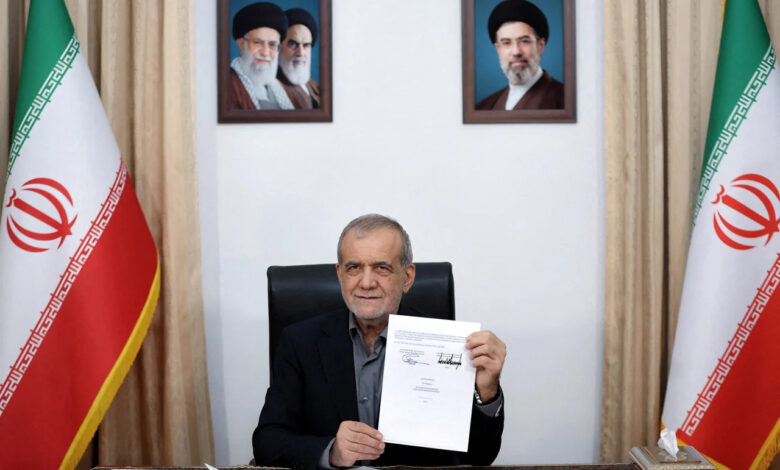
What is the deal? It is two weeks since the US and Iran signed a memorandum of understanding, that was supposed to offer a path towards permanently ending the war in the region.
Widely viewed as highly favorable to Tehran, it requires the US to unfreeze Iranian assets, terminate sanctions, allow Iranian oil exports, lift its blockade on Iranian ports and develop a reconstruction fund for Iran. In return, Tehran must guarantee safe passage for ships passing through the Strait of Hormuz and reaffirm its pledge to not develop nuclear weapons.
What’s happened in the past two weeks? There have been frequent reminders of this truce’s fragility. US and Iranian forces traded strikes over the weekend after the Islamic Republic attacked two ships transiting through the strait.
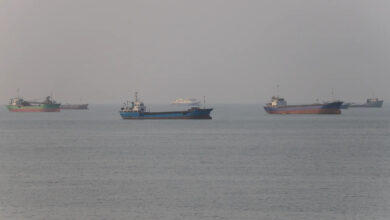
That – again – impacted marine traffic in the narrow waterway, which had substantially increased last week, though it remains well below pre-war levels. Meanwhile, fighting between Hezbollah militants and Israeli forces has continued in southern Lebanon, despite agreements aimed at curbing the violence there.
What are the unresolved issues? The MOU basically kicked the can down the road, leaving most details to be sorted later. But two weeks into the 60 days allocated for negotiating the final deal, there is little sign of progress on several of the most important issues.
One clause in the MOU has created the potential for a catch-22 situation. It stipulates that further negotiations will only start once the issues of Iran’s frozen assets, US sanctions on Iranian oil, Strait of Hormuz traffic, the US blockade of Iranian ports, and fighting between the two countries (and in Lebanon), has been dealt with. So even agreeing on a sequence remains difficult.
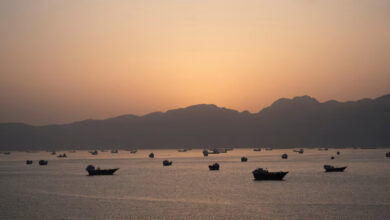
While Tehran said yesterday half of its frozen assets held in Qatar will be returned, US officials have said no such assets have yet been released. And Iran continues to insist ships must have its permission to transit the strait via designated routes, but a growing number of vessels are using an alternative route hugging the Omani coastline. Substantive talks discussing Iran’s nuclear program haven’t begun yet.