Israeli Prime Minister Benjamin Netanyahu announced on Wednesday evening the official approval of a major natural gas agreement with Egypt.
During a press conference, Netanyahu stated: “We are actively extracting gas from our territorial waters, and our economy remains one of the strongest in the world,” emphasizing that “this gas deal with Egypt is the largest in Israel’s history.'”
Israeli Energy Minister Eli Cohen noted that the negotiations for the agreement were grueling and spanned several months.
Scope and scale
The agreement is valued at approximately US$35 billion (roughly 112 billion NIS), making it the single largest export contract in the history of the State of Israel.
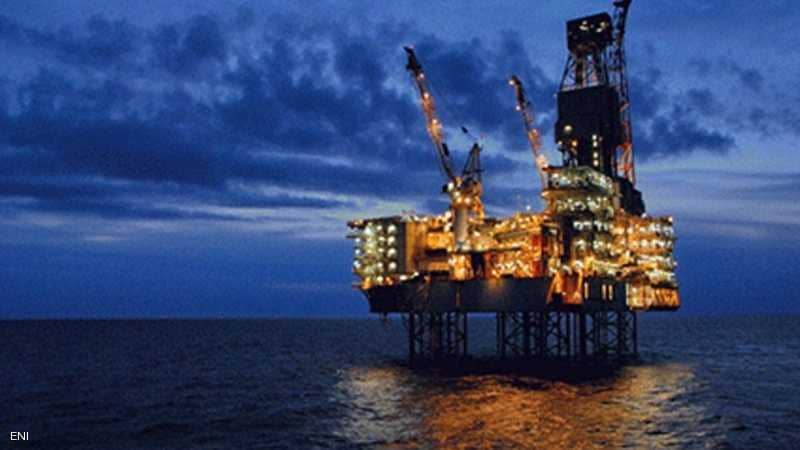
It involves the supply of 130 billion cubic meters of natural gas from the offshore Leviathan field—operated by the US energy giant Chevron alongside Israeli partners like NewMed Energy—to Egypt over a period extending to 2040.
Egypt’s strategic need
Egypt, once a major gas exporter, has recently transitioned into a net importer due to declining production from its own fields such as Zohr, and soaring domestic demand.
This agreement serves as a critical humanitarian and strategic lifeline, addressing the nation’s energy deficit and frequent power shortages.
By utilizing its sophisticated Idku and Damietta liquefaction infrastructure, Egypt can transform these imports into high-value exports for Europe, cementing its role as the indispensable gateway for Eastern Mediterranean energy.
Ultimately, a consistent gas supply is essential for stabilizing the national power grid, ensuring that Egypt’s facilities remain central to the continent’s long-term energy security.
Months of deadlock
The “difficulty” mentioned by Minister Eli Cohen refers to a months-long freeze that began in late 2024.
The delay was driven by several factors:
Pricing disputes: Israeli officials sought to ensure that domestic consumers would not face higher prices as a result of large-scale exports.
Security concerns: There were reported tensions regarding security protocols and the 1979 peace treaty’s annexes, particularly amid regional instability.
Geopolitical maneuvering: Reports suggested Egypt had begun looking toward alternative suppliers, such as Qatar, which likely pressured both sides to bridge their final differences.
Economic impact
The deal is projected to funnel approximately $18 billion into the Israeli state treasury over the next 15 years through royalties and windfall taxes.
For Egypt, the agreement acts as a vital fiscal shield, allowing the state to secure pipeline gas at roughly half the cost of global LNG spot prices, thereby preserving billions in precious foreign currency reserves.
Furthermore, the massive scale of this export deal lowers the per-unit cost of production, which helps stabilize domestic energy prices and safeguards Egypt’s national GDP by ensuring energy-intensive sectors, such as fertilizers and petrochemicals, remain profitable and productive.
Netanyahu characterized the approval as a major win for his country’s national economy, reinforcing Israel’s status as a regional energy superpower.
Modeled after the Norwegian system, a significant share of these revenues will be directed into the “Citizens of Israel Fund” to mitigate domestic inflation through strategic global investment.
This sovereign wealth fund serves as a permanent endowment, securing long-term fiscal stability while providing sustained funding for essential national projects in infrastructure and education.