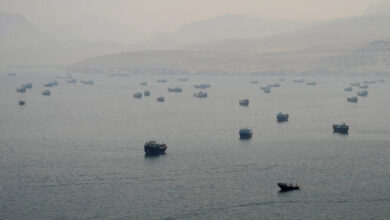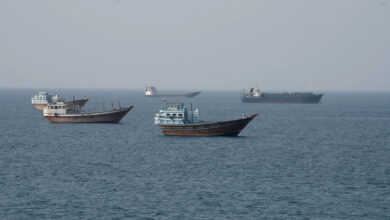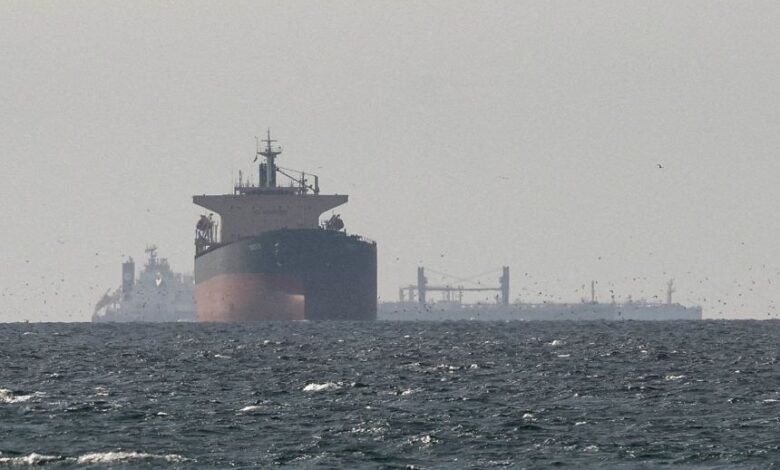
Iran has announced on Saturday the immediate re-closure of the Strait of Hormuz, according to reports from the Tasnim News Agency.
Ibrahim Zolfaghari, spokesperson for the Khatam al-Anbiya Headquarters of the Islamic Revolutionary Guard Corps (IRGC), issued a statement confirming that the situation in the strategic waterway has “returned to its previous state,” effectively reinstating the maritime blockade.
The catalyst: Trump’s refusal to lift sanctions
Zolfaghari attributed the sudden reversal to the Trump administration’s refusal to end restrictions on Iranian maritime movement. He launched a scathing attack on Washington, stating:
“Due to their repeated history of treachery, the Americans continue to practice piracy and maritime theft under the guise of a ‘blockade.’ Control of the Strait of Hormuz has returned to its previous status; this strategic passage is now under the strict management and control of our Armed Forces.”
The spokesperson noted that while Iran had previously agreed—in good faith—to allow a limited number of commercial vessels and oil tankers to pass during negotiations, that window has now closed.
Trump responds: “The blockade remains”
The Iranian decision follows a late-night statement from President Trump on Friday. While the Lebanese ceasefire had initially prompted hopes of a maritime opening, Trump clarified via his account on X that the U.S. pressure campaign would not soften.
“The Strait of Hormuz is fully open and ready for business and full passage,” Trump posted, “but the Naval Blockade will remain in place and in effect as it pertains to Iran only, until our dealings with them are 100% finished.”
Heightened surveillance
Iranian officials warned that the Strait is now under “intense observation.” With neither side willing to back down, the world’s most vital energy chokepoint is once again at the center of a high-stakes military and economic standoff.