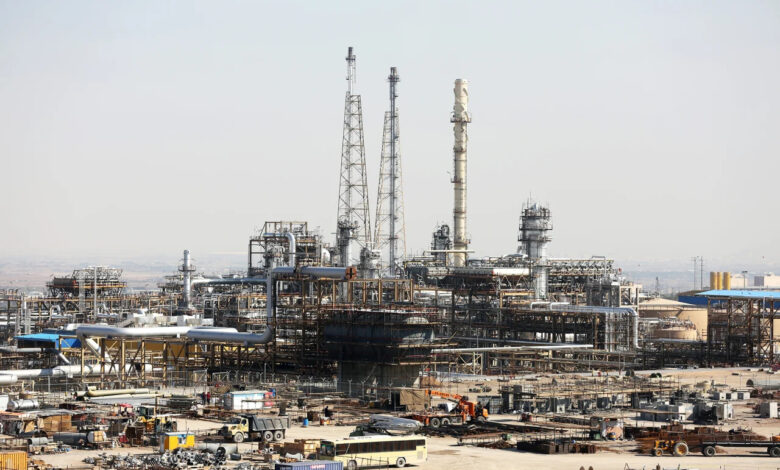
The United States’ decision to reimpose penalties on sales of Iranian oil is a serious knock to Tehran, which had hoped for an economic windfall following decades of American sanctions.
The temporary sanctions waiver removed penalties on foreign investors buying Iran’s oil. It was a key concession by the US, made in exchange for Iran reopening the Strait of Hormuz and the only provision in June’s 60-day Memorandum of Understanding that offered Tehran an almost immediate financial benefit.
The US’s decision could be a “significant blow to Tehran,” Simone Tagliapietra, a senior fellow at Brussels-based think tank Bruegel, told CNN.
According to the US Energy Information Administration, Iran collects about 50 percent of its revenue from oil sales. While China buys the vast majority of Tehran’s barrels, Iran was hoping to widen its customer base.
“It’s a bit of a shock to (Iran), simply because I think that the wheels were in motion for them to have a wide network of people who would buy their oil again,” Naveen Das, senior oil analyst at Kpler, told CNN.
While reintroduced sanctions are unlikely to seriously impact the global oil market, the bigger concern is what happens next in the all-important Strait of Hormuz.
Das called the blockade the “strongest card” that the US has played to exert pressure on Iran during the war.
Global oil prices rose sharply on Wednesday after strikes by Iran on commercial vessels near the strait signalled that the channel — which, before the war, facilitated 20 percent of the world’s oil trade — may be locking up once again.
Abbas Al Lawati contributed reporting.