The Senior Advisor to the US President for Arab and African Affairs, Massad Boulos, stressed that Donald Trump has expressed his willingness to resume meditating between Cairo and Addis Ababa in order to reach an agreement on water management amongst Nile Basin countries and resolve the Grand Ethiopian Renaissance Dam (GERD) dispute.
He explained that Washington seeks diplomatic solutions and that communication continues with all parties, noting that the US continues to encourage Egypt and Ethiopia to engage in dialogue to reach an agreement that satisfies all sides.
In an exclusive interview with Alhurra, Boulos indicated that Ethiopian Foreign Minister Gedion Timotheos visited Washington in May to participate in bilateral US-Ethiopian talks, during which a number of issues related to the dispute were discussed.
Boulos added that during his recent visit to Cairo, he conveyed the US President’s desire to reach an agreement acceptable and satisfactory to all parties.
Technical Support for Egypt, Ethiopia, and Sudan
Regarding the dispute over historical agreements concerning the Nile waters, Boulos said that Washington is encouraging experts from Egypt, Ethiopia, and Sudan to work together to reach technical solutions to the outstanding issues.
He affirmed America’s readiness to provide technical support to all parties, reiterating Trump’s desire to resume mediation between Cairo and Addis Ababa with the aim of reaching a final settlement to the dispute.
The Disputed Dam
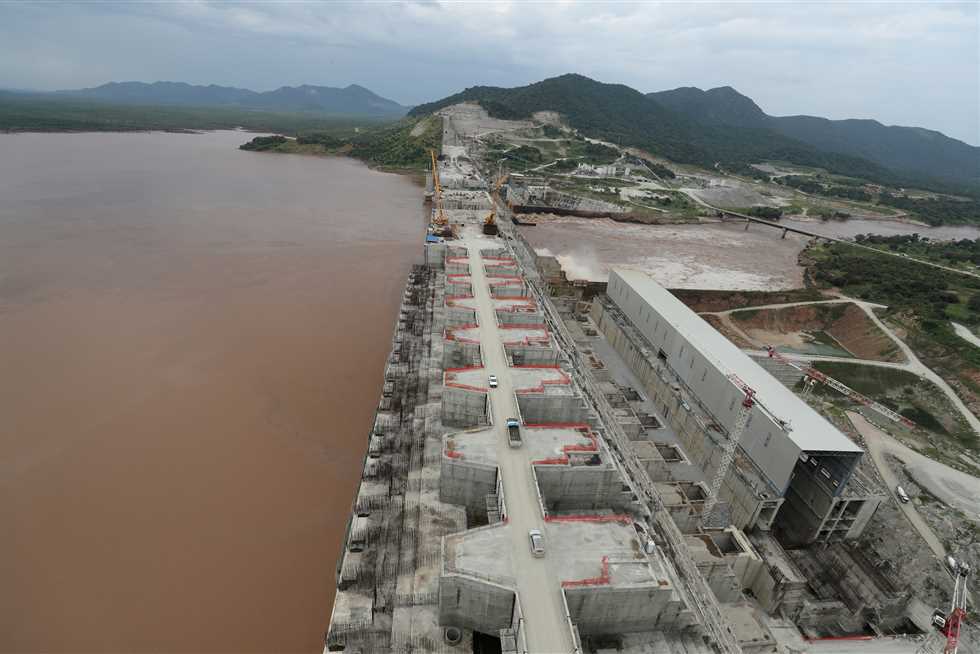
The GERD, completed and officially inaugurated on September 2025 on the Blue Nile, is one of the Nile’s main sources and the largest hydropower project in Africa.
The dam includes 13 turbines and a 74 billion cubic meter reservoir. Its reservoir has been filled five times by September 2024, reaching a level of 638 meters above sea level.
The dam has sparked sharp disputes with Egypt and Sudan, which depend on the Nile for 97 percent and 55 percent of their water needs, respectively.
Egypt and Sudan’s Concerns
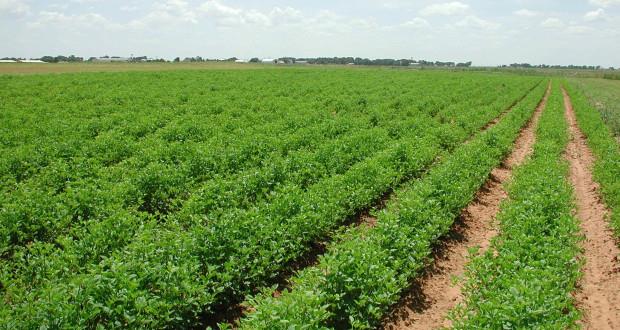
Egypt, which historically receives 55.5 billion cubic meters annually under agreements from 1929 and 1959, fears that the dam will reduce water flow, threatening agriculture (which consumes 80 percent of the water) and the water security of its 100 million people.
Sudan sees the dam’s benefits in irrigation and electricity, but fears uncontrolled flooding, such as in October 2025 when the opening of the sluices flooded areas in the Roseires River, prompting Ethiopia to reduce its discharge to 300 million cubic meters per day to avert disaster.