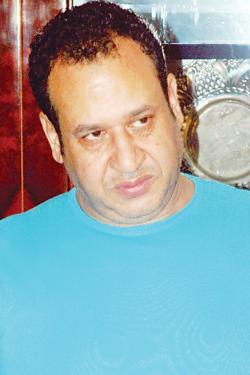
Investigative authorities have notified all notary offices across Egypt to implement the decision to freeze the assets of businessman Sabry Nakhnoukh, his Lebanese wife, his nephew John Nakhnoukh, and others while preventing them from disposing of these assets, the state-run Al-Akhbar newspaper reported.
The decision was issued pending the ongoing investigations into the case related to the brawl that occurred at a car dealership company in the Fifth Settlement area.
The freeze order includes all movable and immovable assets owned by the defendants, including stocks, bonds, bank deposits, safe deposit boxes, and electronic wallets, prohibiting any disposal of these assets until the investigations are concluded and the case is adjudicated
The relevant authorities – including banks, notary offices, and the stock exchange – were notified to take the necessary measures to implement the decision.
The Public Prosecution also issued a decision to place the defendants on the travel ban list, while investigations into the incidents and charges against them continue.
Corruption unveiled
The case stems from a report received by the Public Prosecution from the owner of a car dealership, who accused Nakhnoukh and others of storming the dealership due to financial disputes, assaulting and injuring one of its employees, and stealing the surveillance camera recording unit.
Investigations confirmed the incident involved the main suspect and others in a criminal gang suspected of engaging in thuggery, imposing control through brute force and threats, and disrupting public order.
They allegedly exploited a security company as a front for their activities, and used money and weapons to facilitate these practices.
Consequently, the Public Prosecution issued arrest warrants for the suspects and authorized the search of Nakhnoukh’s residence and affiliated premises.
The suspects were then apprehended and interrogated.
The Public Prosecution ordered their detention for four days pending further investigation, which was subsequently extended by the competent court for 15 days.