The head of the Climate Change Information Center at the Agricultural Research Center, Mohamed Ali Fahim, on Tuesday settled a debate which occurs each watermelon season regarding claims that Egypt’s watermelons are “premature” or “carcinogenic”.
These claims have no scientific basis, he said, assuring that the watermelons produced in Egypt are completely safe and subject to a year-round agricultural system.
Contamination?
Fahim explained on his official Facebook page that the varying times watermelons appear in the markets do not reflect any problems.
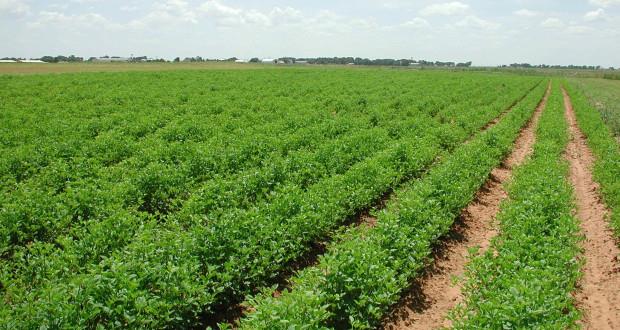
They are instead related to the nature of agricultural production in Egypt, where the watermelons are cultivated in several regions and using different systems.
This ensures their continuous availability, he said, and not just during a single season as some believe.
Fahim pointed out that the watermelon production cycle goes through several temporal and geographical phases. It begins with watermelons from Aswan and warmer regions, which appear during the winter and into early spring.
This is followed by watermelons grown under plastic tunnels, available from late March to May. Then comes the main summer season, which sees a clear abundance in June and July.
The head of the Climate Change Information Center emphasized that climate is the decisive factor in determining planting and ripening dates.
He explained that recent changes in the climate have led to noticeable variations in production timing between regions, depending on temperatures and the nature of the crop varieties, and not as a result of unverified practices as is being circulated on social media.
Unusual characteristics?
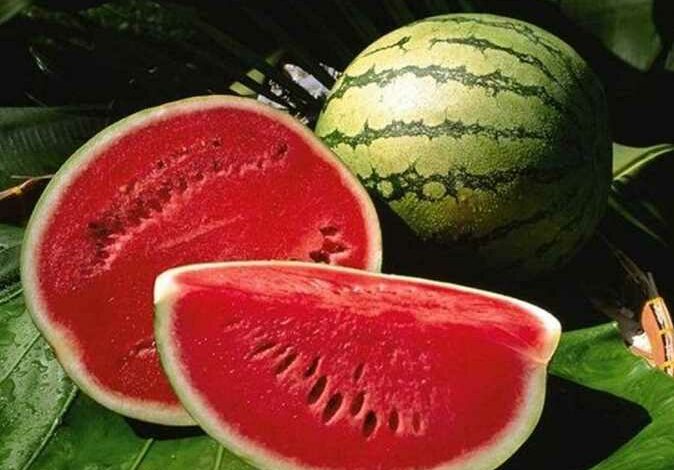
Addressing the appearance of watermelons reported with unusual characteristics – such as white flesh or internal cavities – Fahim explained that this due to natural agricultural factors, including temperature fluctuations during growth, poor pollination, or exposure of the plant to climatic stresses.
He assured that these do not indicate the presence of any toxic or harmful substances.
Fahim criticized the continued spread of rumors related to agricultural crops at the beginning of each season, as they are detrimental to the agricultural sector and negatively impact farmers.
He added that these rumors also create unnecessary anxiety among consumers, harming the reputation of Egypt’s produce.