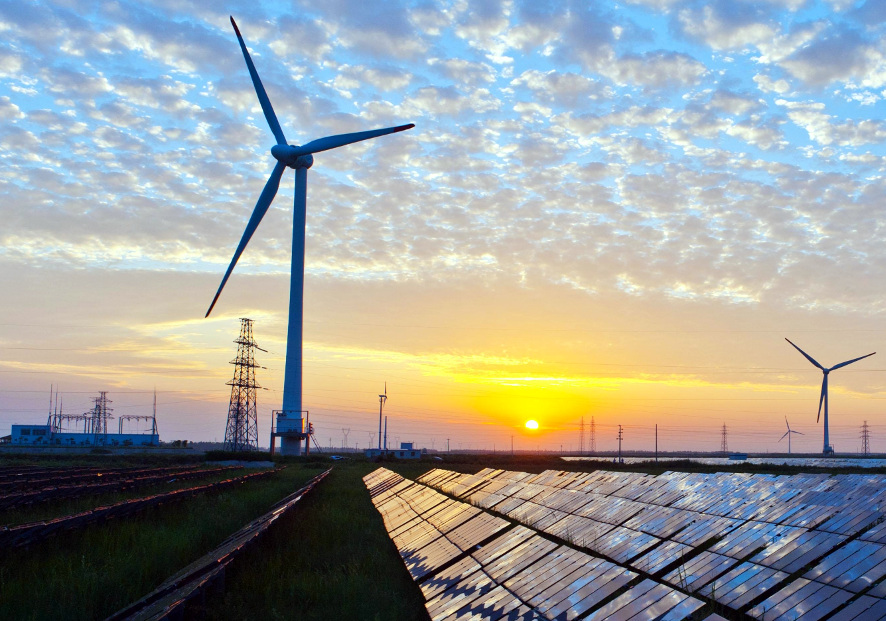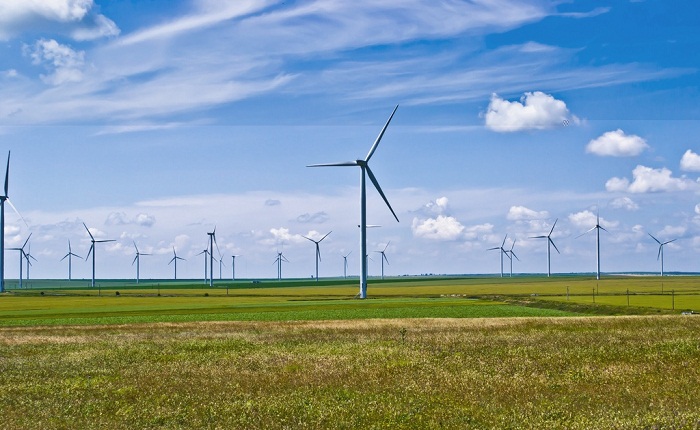
CAIRO, June 24 (MENA) – Prime Minister Mostafa Madbouly witnessed on Wednesday the signing of a memorandum of understanding (MoU) to establish Egypt’s first wind turbine manufacturing plant and develop a 2,000-megawatt wind power project in the Gulf of Suez region, marking a major step toward localizing renewable energy technologies and expanding clean energy generation.
The signing ceremony took place at the Cabinet headquarters in the New Capital in the presence of Minister of Electricity and Renewable Energy Mahmoud Esmat.
The MoU was signed between China’s SANY Renewable Energy, a leading global manufacturer of wind turbines, and both the Egyptian Electricity Transmission Company (EETC) and the New and Renewable Energy Authority (NREA).
The agreement provides for the establishment of Egypt’s first wind turbine manufacturing facility to meet the needs of domestic wind energy projects and export surplus production to regional markets.
It also includes the development of a 2,000-MW wind farm in the Gulf of Suez, to be implemented in local currency, in line with Egypt’s national energy strategy, which targets raising the share of renewable energy in the country’s electricity mix to 45 percent within the next two years.
The initiative forms part of the state’s efforts to deepen industrial localization, transfer advanced technologies and increase local-content levels in renewable energy projects.
It also supports Egypt’s plans to expand the manufacturing of electrical equipment and capitalize on its trade agreements to boost exports to markets across Africa and the Middle East.
The MoU was signed by Chairman of SANY Renewable Energy Li Qiang, Chairperson of the Egyptian Electricity Transmission Company Mona Rizq, and Chief Executive Officer of the New and Renewable Energy Authority Ehab Ismail.
Speaking on the sidelines of the signing ceremony, Madbouly stressed the strategic importance of renewable energy projects in diversifying Egypt’s energy sources and supporting the long-term development of the electricity sector.
He said localizing industries associated with renewable energy is a cornerstone of Egypt’s efforts to strengthen energy security, accelerate the green transition and maximize the economic returns of clean energy investments.
The prime minister noted that President Abdel Fattah al-Sisi closely follows the implementation of renewable energy projects, adding that the government is committed to fostering cooperation among state institutions and local and international private-sector partners to advance the objectives of the national energy strategy.
He added that Egypt is also expanding investments in energy storage systems to enhance grid stability and maximize the contribution of renewable energy to the national power network.
For his part, Esmat said localizing the production of electrical equipment, particularly components used in renewable energy projects, supports the state’s strategy to expand clean energy generation and increase domestic manufacturing capacity.
He noted that the ministry is currently finalizing regulations governing local-content requirements in the renewable energy sector.
The minister added that the manufacturing facility will have an annual production capacity of 2 gigawatts and is expected to be completed within two years of the signing of the final agreements.
The 2,000-MW wind power project is scheduled to be connected to the national electricity grid within 23 months of the signing date.
Esmat highlighted Egypt’s strong potential as a regional hub for renewable energy manufacturing, citing the country’s growing market, strategic location and extensive trade links with countries across the Middle East and Africa. (MENA)